Planting Cosmos Flowers: Complete Growing Guide from Seed to Bloom
Cosmos are the flower that punishes kindness: feed them and they sulk, ignore them and they bloom until frost. Here's when and how to plant cosmos, the 5 varieties worth growing, and how to fix the two problems everyone runs into.

Every garden has a plant that ruins the rules. You feed it, it sulks. You water it, sulks harder. Then you forget about it for three weeks, and it rewards you with a wall of pink and white flowers taller than your fence.
That plant is cosmos. And planting cosmos flowers is the closest thing gardening has to a cheat code.
Most flowers want you to be a good parent. Cosmos want you to be a slightly neglectful one. Rich compost? Too much. Weekly fertilizer? Absolutely not. A sunny patch of tired, ordinary soil? Now we're talking.
The name fits the attitude. Spanish priests growing these flowers in Mexican mission gardens called them cosmos, from the Greek kosmos, meaning order and harmony. They were admiring how neatly the petals were arranged.
The irony is that a cosmos patch in August looks anything but orderly. It's a happy, swaying, bee-covered riot. Here's how to grow one, from a seed the size of an eyelash to a flower you'll be cutting until frost.
Why Cosmos Like It Rough
Cosmos (Cosmos bipinnatus) come from the dry meadows and roadsides of Mexico. Nobody fertilizes a roadside. The plant evolved to thrive in thin, sunny, scrappy ground, and it still expects exactly that.
Give it rich soil and it does something frustrating: it grows huge, leafy and green, then barely flowers. Gardeners who baby their cosmos are the ones who end up asking why their plant is six feet tall with four blooms on it.
So before you plant a single seed, set your expectations. This is a flower you help most by staying out of its way.
When to Start Planting Cosmos Flowers
Cosmos are tender annuals. One frost ends them, and cold soil stalls the seeds. So the calendar hangs on one date: your last spring frost.
- Direct sow after the last frost, once the soil has warmed. Seeds germinate best at 65–75°F (18–24°C).
- The main sowing window is April to June in most of the US, depending on your zone.
- Sow again every 3–4 weeks until early summer. Staggered sowings keep fresh plants coming into bloom all the way to fall.
- Want a head start? Sow indoors 4–6 weeks before your last frost and move seedlings out once nights stay warm.
Reading this in the fall? You're not too late for next year. A cosmos patch left standing now will drop seed, and many of those seeds sprout on their own next spring.
Cosmos grow in a huge range of climates, from zone 3 to zone 13. Cold zones simply get a shorter show. Warm zones get months of it.
How to Plant Cosmos Seeds, Step by Step
Cosmos seeds are long, thin and dark, like tiny splinters. They're easy to handle and quick to sprout. Here's the whole job:
- Pick the sunniest spot you have. Full sun, at least 6–8 hours a day. In shade, cosmos stretch, flop and flower poorly.
- Skip the compost. Average to poor soil is ideal, with a pH of 6.0–7.5. The one thing they do need is drainage.
- Sow on the surface and press the seeds in, or cover them with a whisper of soil, no more than ¼ inch.
- Keep the soil lightly moist until the seedlings appear, usually in 7–10 days.
- Thin to 12–18 inches apart once seedlings have a few true leaves. In a square-foot garden, that's one cosmos per square.
Thinning feels cruel, but crowded cosmos fight for light, grow lanky and catch mildew. Give each plant room and it will branch out into a full, flower-covered bush.
When is your last frost?
EdenVatika works out your cosmos sowing dates from your local frost date, so you sow at the right time without guessing.
Get My Sowing Dates Free →From Seed to Bloom: What Happens When
Cosmos move fast. Here's what a normal season looks like, so you know when to relax and when to start cutting:
| Stage | When | What to do |
|---|---|---|
| Germination | 7–10 days | Keep soil lightly moist |
| Young plants | 3–6 weeks | Thin to 12–18 in; pinch the tips at about 12 in tall |
| First flowers | 8–12 weeks (60–90 days) | Start cutting and deadheading |
| Peak bloom | Summer | Keep cutting; stake tall plants |
| Late bloom | Fall, until frost | Let a few flowers go to seed |
| Winter | After frost | Dropped seed waits in the soil to self-sow |
The Lazy Gardener's Care Plan
Cosmos care is mostly a list of things not to do. That's what makes them such a good first flower.
- Don't fertilize. Feeding pushes leaves, not flowers. If your soil grows weeds happily, it's rich enough for cosmos.
- Water lightly. Water seedlings until they settle in. After that, established cosmos are drought-tolerant and only need a drink in long dry spells.
- Pinch once. When a plant is about 12 inches tall, snip off the top few inches. It will branch out and make far more flowers.
- Deadhead or cut often. Every faded flower you remove tells the plant to make another. Stop, and it switches to making seed.
- Stake the tall ones. Tall varieties can reach 6 feet. A stake or a loop of twine stops one summer storm from flattening the whole row.
That's it. No spraying schedule, no feeding calendar, no pruning diagrams. You'll spend more time cutting flowers than caring for them.
5 Cosmos Varieties Worth Planting
Cosmos range from knee-high to taller than you, in single, double and very strange petal shapes. These five from the EdenVatika plant library cover most gardens, with approximate days from sowing to flowers:
| Variety | Days | Why grow it |
|---|---|---|
| Sonata | 60 | Compact, about 2 ft; blooms early; the pick for pots and small beds |
| Sensation Mix | 75 | The tall classic in pink, white and rose; self-seeds readily |
| Cupcakes | 75 | Petals fused into a cup shape; unusual and charming |
| Double Click | 80 | Fully double and semi-double blooms; excellent cut flower |
| Chocolate | 90 | Deep maroon flowers with a real cocoa scent; grows from a tender tuber |
New to cosmos? Start with Sensation Mix. It's cheap, tough and dramatic, and it will likely reseed itself for years.
Short on space, or growing in containers? Go with Sonata. Growing for bouquets? Double Click and Cupcakes are the ones people ask about.
Chocolate cosmos is the odd one out. It's a different species, grown from a tuber rather than seed, and it needs digging up or protecting in cold winters. Treat it as a special project, not a beginner flower.
Where to Plant Cosmos (and What to Plant Beside Them)
Cosmos are typically 12 to 72 inches tall and 12–24 inches wide, depending on variety. Put the tall types at the back of a border or along a fence, and the compact ones up front or in pots.
They also earn a place in the vegetable garden. Cosmos pull in bees, hoverflies, lacewings and butterflies, and those visitors work the whole bed. Good neighbors include:
- Tomatoes: cosmos attract beneficial insects that help keep tomato pests in check.
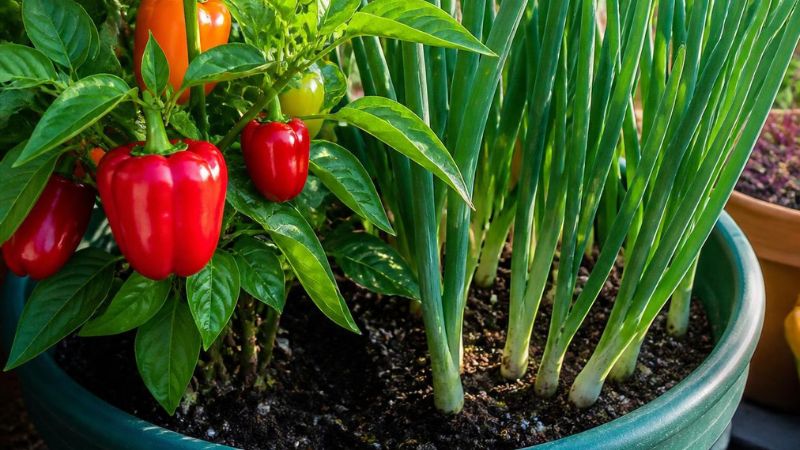
- Peppers: more pollinators around the plants while they're flowering.
- Zinnias and California poppies: they love the same hot, sunny, lean conditions, and together they make a no-fuss pollinator strip.
Cosmos have no known bad neighbors. Just don't tuck the tall ones where they'll shade sun-hungry crops by midsummer.
Cosmos Problems and How to Fix Them
Cosmos are tough, but a few things can go wrong. Most are easy to spot early.
| Problem | How to spot it | How to treat it | How to prevent it |
|---|---|---|---|
| Aphids | Clusters of small green, black or brown insects on new growth and leaf undersides | Blast off with a strong jet of water; insecticidal soap or neem oil; release ladybugs | Encourage ladybugs; use reflective mulch; check plants regularly |
| Thrips | Silvery streaks on leaves and distorted growth | Insecticidal soap, neem oil, spinosad or predatory mites | Reflective mulch; remove weeds; hang blue sticky traps |
| Powdery mildew | White powdery coating on leaves and stems | Remove affected leaves; spray baking soda, neem oil or milk (1 part milk to 9 parts water) | Space for airflow; water at the base, not overhead |
| Aster yellows | Yellowing, stunted plants; green, twisted or deformed flowers | No cure. Pull and bin infected plants (don't compost them) | Control leafhoppers, which spread it; use row covers on young plants |
Then there are the two problems that aren't bugs at all, and they're the most common complaints by far:
"My cosmos are huge but barely flowering." The soil is too rich or the plant has been fed. Stop fertilizing, keep cutting, and next year plant in leaner ground.
"My cosmos keep falling over." Too much shade, too much water or too little space. Pinching young plants, thinning properly and staking tall varieties fixes almost every case.
Cutting Cosmos and Saving the Seeds
Cosmos are one of the best cut-and-come-again flowers there is. The more you cut, the more they bloom.
Cut stems in the cool of the morning, just as the buds are opening. Flowers cut fully open drop their petals sooner. In a vase they'll last about a week.
Toward the end of the season, stop cutting a few of your favorite plants. Their flowers turn into spiky seed heads. When the seeds turn dark brown and pull away easily, they're ready.
Dry the seeds on a plate for a week, then store them in a paper envelope somewhere cool. That's next year's cosmos patch, free.
One note: hybrid mixes may not come back looking exactly like the parent. That's half the fun. Some of the best colors in a cosmos patch are happy accidents.
Frequently Asked Questions
How long does it take cosmos to bloom from seed?
About 8–12 weeks (60–90 days). Compact types like Sonata flower around day 60; tall and double types take closer to 75–90 days.
Should I soak cosmos seeds before planting?
No. Cosmos seeds sprout in 7–10 days in warm soil without any soaking or special treatment.
Do cosmos come back every year?
Common cosmos are annuals, so the plant dies at frost. But it self-sows freely, and dropped seed often comes up on its own next spring.
Can I grow cosmos in pots?
Yes. Choose a compact variety like Sonata, use a pot at least 10–12 inches wide with drainage holes, and skip the slow-release fertilizer that many potting mixes contain.
How many cosmos fit in a square-foot garden?
One plant per square foot. Cosmos need 12–18 inches of space, and squeezing in more just gives you leggy, mildew-prone plants.
Plant Once, Bloom All Summer
Cosmos are proof that the easiest flowers can be the most rewarding. Sow them in poor soil, thin them, pinch them once, cut them often, then let them go to seed. That's the whole method.
The only part people get wrong is the timing. Sow too early and cold soil stalls the seeds. Sow only once and the show fades by late summer.
That's where EdenVatika comes in. Tell it where you garden and it builds your cosmos plan for you: when to sow, when to sow again, how many plants fit your bed, and which vegetables to plant them beside.
Plan your cosmos patch in minutes
Get sowing dates from your local frost date, drop cosmos into the Garden Designer at the right spacing, pair them with your vegetables, and get reminders to sow, pinch and cut on time. Free to start.
Start Planning Free →